Cure4CF Update
A Mother’s Instinct, A Life-changing Diagnosis
In May 2014, Teresa and her husband Harry’s world changed overnight.
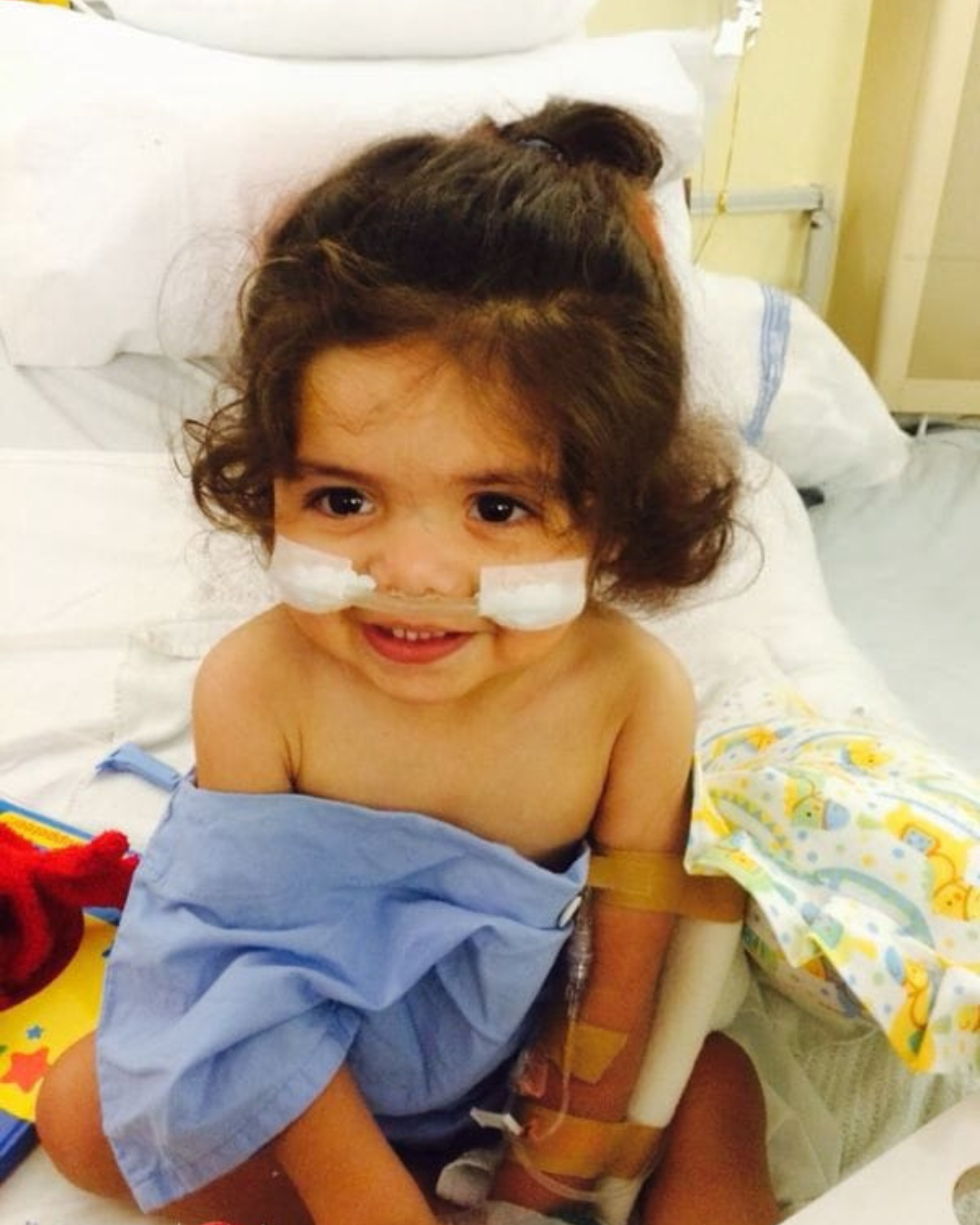
Their first child, Simon, was 17 months old when he was finally diagnosed with cystic fibrosis (CF). Until that moment, they had never even heard of CF, a rare inherited genetic disease. They didn’t know they were carriers of the defective CF gene. They didn’t have a name for what they had been seeing, only the quiet, growing sense that something wasn’t right.
Sleepless nights, never ending coughs and high temperatures. As a mother, Teresa knew something wasn’t right. Trusting her intuition, they pushed for more testing.
When the diagnosis came, it was a shock.
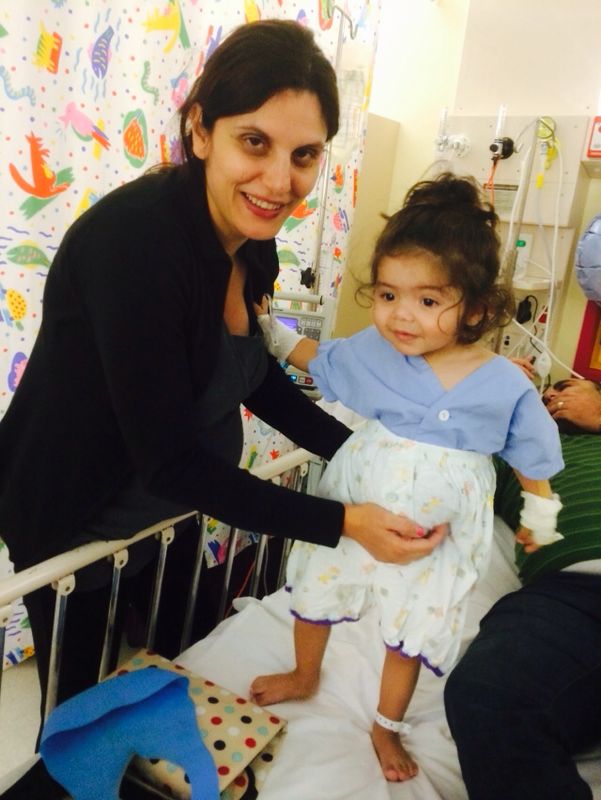
And it came at a moment when life was already on the edge of change. Teresa was heavily pregnant with their second child, Savannah, due at the end of May. Just two weeks after Simon’s diagnosis, she gave birth.
Two life-defining moments, back-to-back. One bringing new life into the world. The other introducing a lifelong condition they didn’t yet understand.
There was no “Team Simon” then. No plan, no preparation, no understanding of what daily life with CF would demand. Just a diagnosis, and the overwhelming reality of what it might mean for their son, and their family.
In those early days, everything had to be learned quickly. What CF meant. What it required. How to care for a child with a complex, lifelong condition while also caring for a newborn.
Because CF doesn’t wait.
It becomes part of everyday life immediately, bringing with it treatments, hospital visits, and a constant need for vigilance. It demands more of families than they ever expected, and it keeps asking, day after day. It is relentless.
And while research has changed what life with CF can look like today, many families are still beginning that journey from a place of uncertainty, navigating what it means, and what comes next.
Today, there is more knowledge, more understanding, and importantly, more hope than there once was.
Simon’s diagnosis did not come early or easily. It followed a period of ongoing concern, sleepless nights, and persistent symptoms that did not add up. It was Teresa’s instinct as a mother that kept pushing her forward, asking questions and seeking answers when something still did not feel right.
When the diagnosis finally came, it brought clarity — but also a new kind of uncertainty about what life would look like for their son.
Simon was still just a toddler when CF became part of his everyday reality. From that moment on, his life has been shaped by treatment routines, hospital visits, and the ongoing demands of managing a lifelong condition.
As Simon’s story shows, diagnosis is only the beginning. CF does not pause. It becomes part of everyday life, shaping routines, care, and everything in between.
For families, it is constant. Woven into every part of the day.
Research also continues to drive the development of essential tools and therapies that can help make life with CF safer, easier, and more manageable.
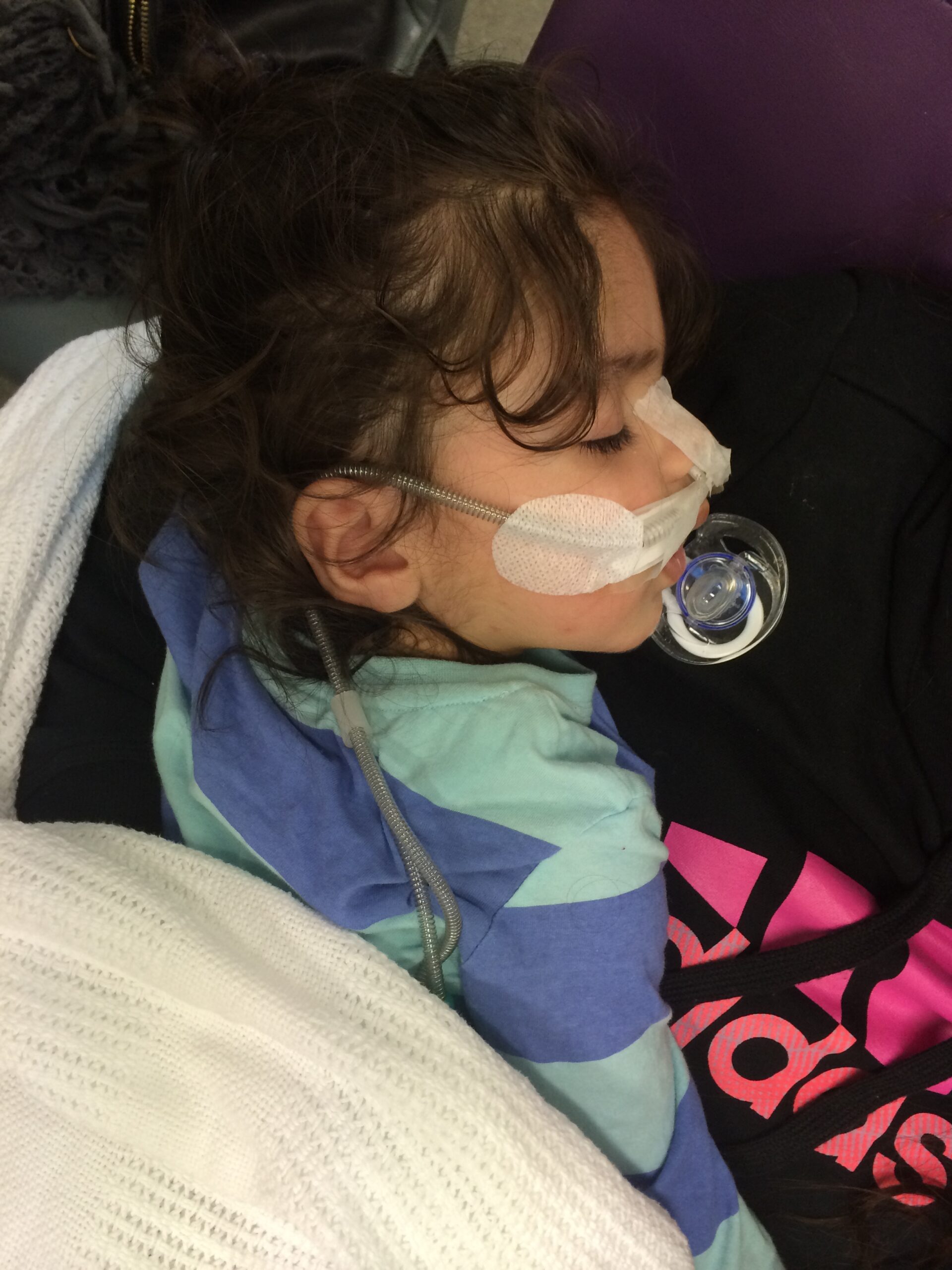
For Simon, one of the daily therapies he relies on is airway clearance therapy to help keep his lungs as clear as possible. Like many people living with CF, it is essential, ongoing, and physically demanding.
Recently, Simon was given access to a specialised therapy device called the Pegaso cough assist system, equipment designed to support airway clearance and help people with severe lung disease breathe more effectively.
For Simon and his family, the impact has been significant. Treatment has become more effective, less physically exhausting, and easier to manage day after day at home.
For people living with CF, especially those with advanced lung disease or waiting for a lung transplant, improvements like these can make an extraordinary difference to quality of life.
Simon’s experience also highlights an important challenge within CF care.
While families like his are already seeing the benefits of technologies like Pegaso, access remains limited. The equipment is expensive, and without robust clinical evidence, many hospitals are unable to introduce it into routine care.
That is why research remains so important, not only in the search for new treatments, but in carefully studying therapies and technologies that may improve everyday life for people living with CF.
By gathering clinical evidence, patient outcomes, and real-world data, researchers can better understand what works, who it helps, and how promising innovations can become more widely available to the people who need them.
Because that is how progress happens.
Not only through breakthroughs in laboratories, but through research that proves which treatments truly improve lives and helps make them accessible to more families.
To Teresa, Simon is so much more than his diagnosis. He is her first-born. Her “first everything”. The child who made her a mother.
She describes him as resilient — a child who has grown up knowing far more about hospital rooms and treatments than most children ever should, but who continues to move through life with strength and determination.
And like any parent, Teresa holds the same hopes for him that every parent does.
A future where he is not restricted by CF. Where he can live a long and healthy life.
Because beneath everything, Simon is still just a boy growing into his life — with dreams that are entirely his own.
And thanks to research, innovation, and a community committed to changing what is possible, there is more hope for that future than ever before.